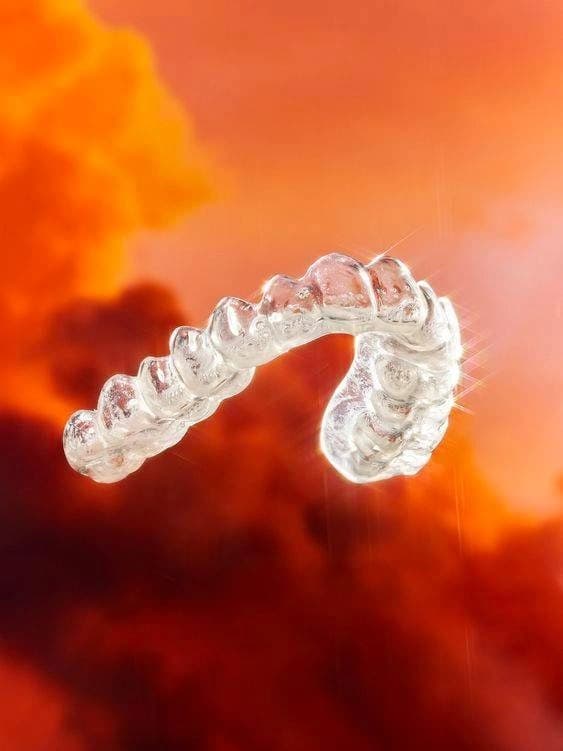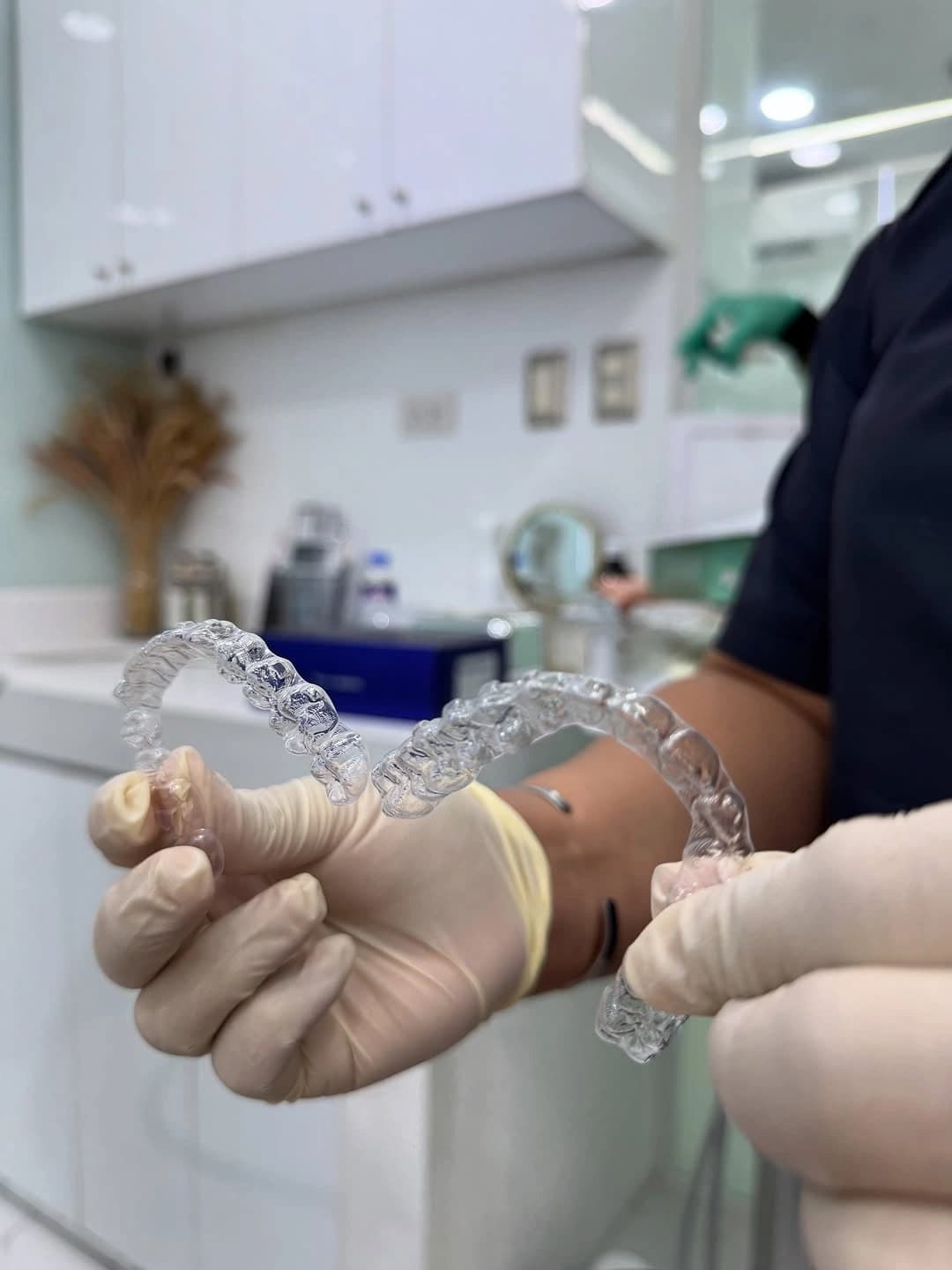
Material choice is one of those decisions that quietly affects almost every part of a clear aligner case, from how comfortable the aligner feels on day one to how reliably it delivers the planned tooth movement by the end of the wear period. It is not the most visible part of treatment planning, but it has a direct effect on outcomes.
An aligner is essentially a thin shell that needs to apply controlled, predictable force to teeth over an extended period, while remaining comfortable enough for a patient to wear for most of the day. That combination, controlled force delivery plus comfort plus durability over time, depends heavily on the material's mechanical properties.
A material that is too rigid can feel uncomfortable and may apply force less predictably as it interacts with the patient's bite. A material that is too flexible may not deliver the planned movement on schedule, which can lead to longer treatment times or the need for additional aligner sets. Clarity and resistance to staining also affect the patient experience directly, since one of the main reasons patients choose clear aligners in the first place is the discreet appearance.
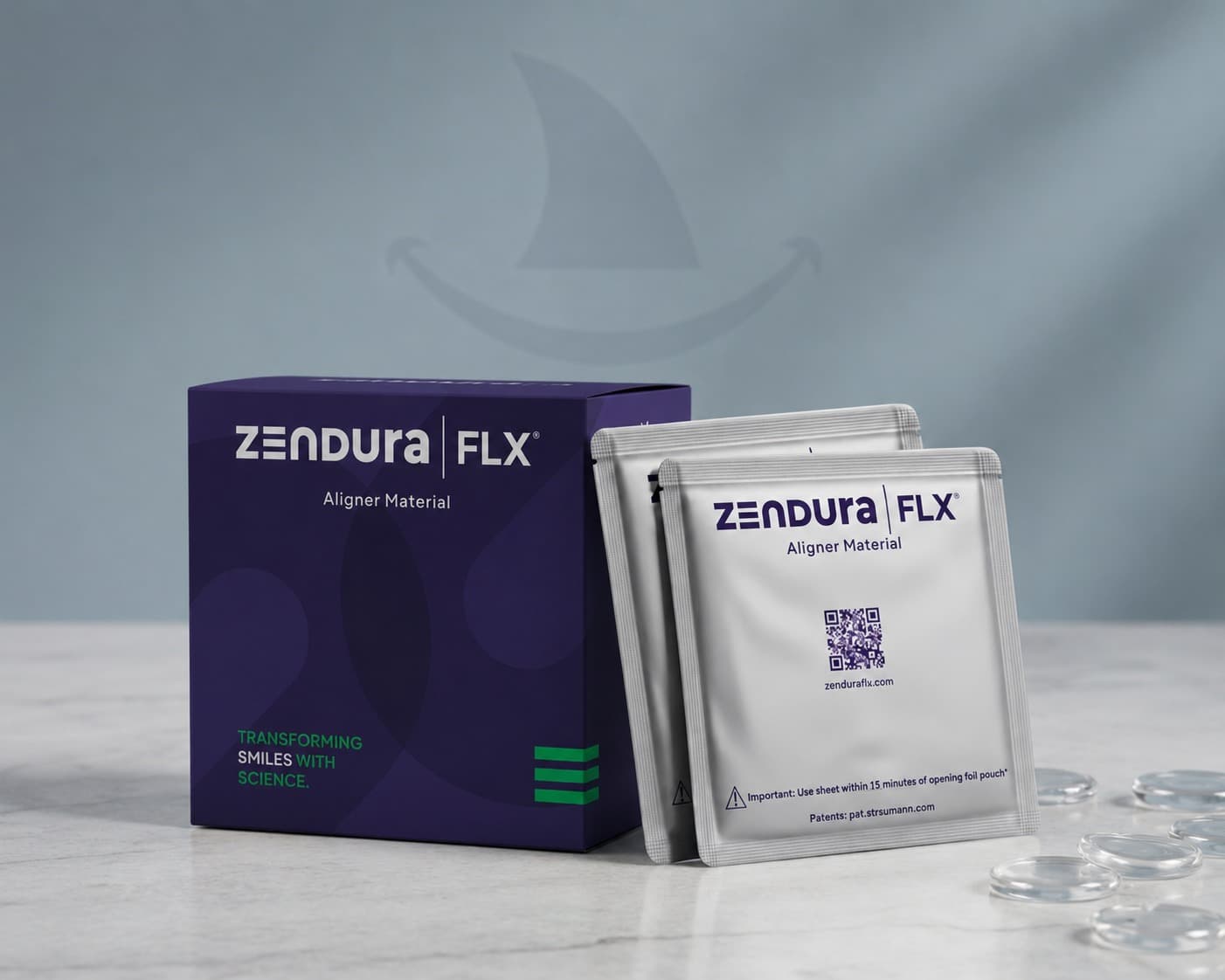
At Shark Smile, all aligners are manufactured using Zendura FLX material. It is a premium thermoformed material widely used across clear aligner therapy, selected specifically for the balance it strikes between clarity, durability, comfort, and consistent fit across the full course of treatment. This consistency matters particularly for multi-stage treatment plans, where each tray in the sequence needs to behave predictably relative to the others for the overall plan to track as designed.
Why consistency across trays matters: a treatment plan with twenty or more stages depends on each tray applying force in a predictable way. If material behavior varies between trays or between batches, the cumulative effect on tooth movement can drift away from the planned sequence.
If you are assessing an aligner manufacturing partner, whether for the first time or as part of a broader review, material choice is a reasonable starting point for questions, but it should not be the only one. A few practical areas worth covering:
Material quality is most valuable when it is paired with a treatment plan that has already been through proper clinical review. A well-made aligner manufactured from a high-quality material still depends on the underlying staging being correct. This is part of why we treat manufacturing as the final step of a workflow that starts with Dual Quality Review on the treatment plan itself, rather than as a standalone service disconnected from planning.
At $18.00 per tray, with manufacturing completed within 10 business days of STL approval and shipped worldwide via FedEx, UPS, or DHL, the goal is for manufacturing to be the most predictable part of the entire process, precisely because the material and process behind it are consistent every time.