Once a treatment plan is approved, the journey from a digital file to a finished aligner tray sitting in a patient's mouth involves several steps that most clinics never see directly. Understanding what happens during this stage, manufacturing, quality inspection, trimming, finishing, and packaging, can help set realistic expectations for timelines and explain why each step matters for the final product your patient receives.
Once a case is approved and final STL files are confirmed, the case enters the manufacturing queue. From this point, manufacturing is completed within 10 business days. This timeframe covers the production of every tray in the case, whether that is a small number of aligners for a limited treatment or a full multi-stage set covering upper and lower arches, retainers, and attachment template trays.
Each tray is produced using Zendura FLX material, the premium thermoformed material used across all of our aligner manufacturing. The manufacturing process is designed to produce consistent results across every tray in a case, which matters because a multi-stage treatment plan depends on each tray behaving predictably relative to the others.
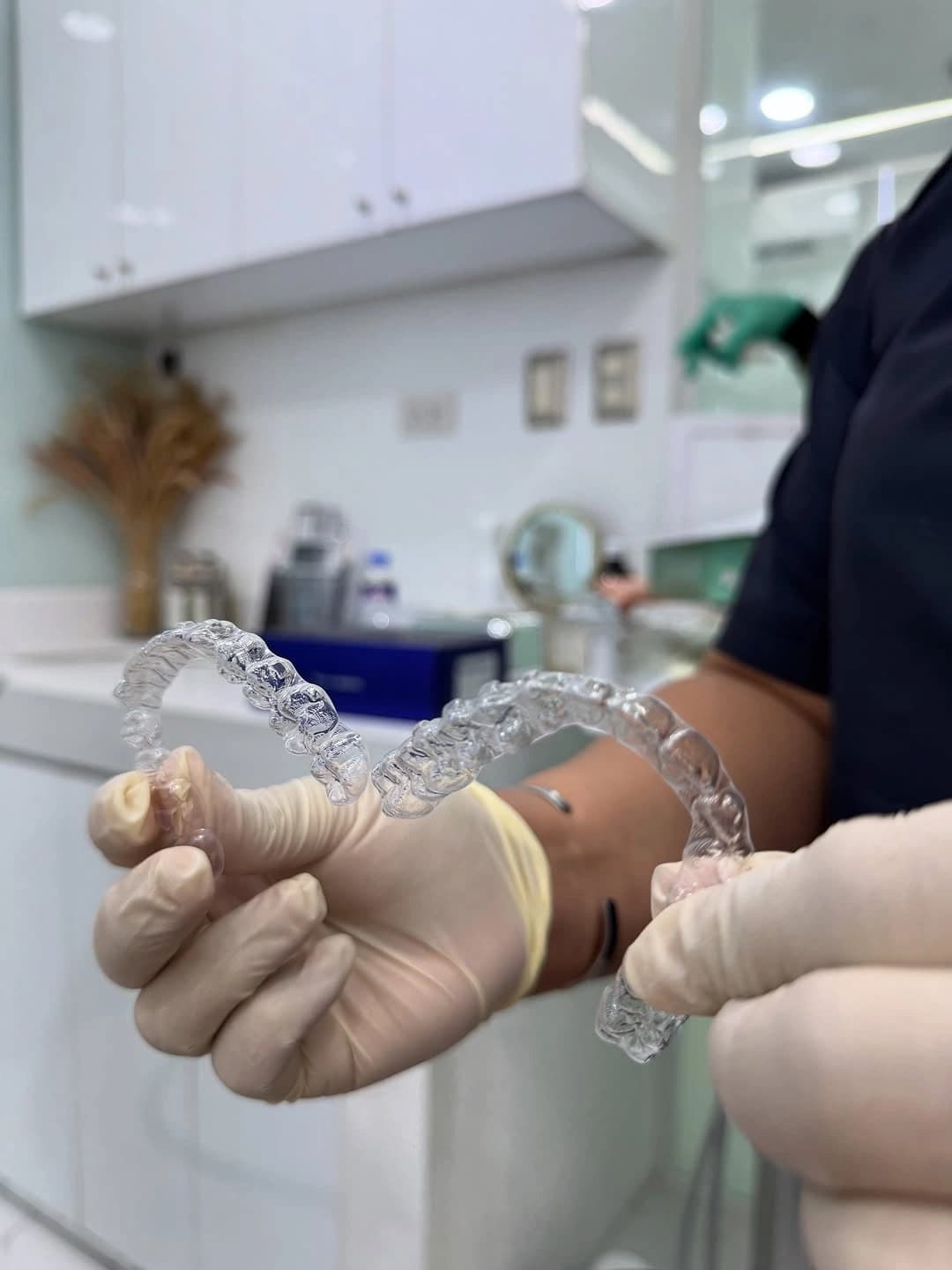
Every tray that comes off the production line goes through a quality inspection before moving to the next stage. This step checks for manufacturing defects, material consistency, and overall fit against the design specification. A tray that does not meet the standard at this stage does not proceed to finishing.
Why inspect every tray, not a sample: in a multi-stage treatment plan, a single defective tray can disrupt the entire sequence for a patient. Checking every tray individually, rather than relying on sampling, is part of how consistency across a full case is maintained.
After passing inspection, each tray is trimmed and finished to a consistent standard. This step matters more than it might appear from the outside. Edges that are not finished properly can irritate soft tissue, affect how the aligner seats, and impact patient comfort throughout the day. Consistent trimming across every tray in a case also helps maintain the predictable fit that the treatment plan depends on.
Standard packaging is included at no additional cost and is designed to keep trays organized and protected during shipping, particularly important for multi-stage cases where trays need to be used in the correct sequence. For clinics that want their own branding on packaging, custom branded packaging is available as an additional service.
Finished cases are shipped via trusted couriers, including FedEx, UPS, and DHL. Shipping typically adds around 5 business days depending on destination, bringing the total estimated timeline from STL approval to delivery to roughly 15 business days under normal circumstances.
Knowing the realistic timeline from approval to delivery, roughly 10 business days for manufacturing plus shipping time, makes it easier to set patient expectations accurately when scheduling the appointment where aligners will be delivered or fitted. Building this timeline into your scheduling process from the start avoids the awkward situation of a patient arriving for an appointment before their aligners have arrived.
If a case needs to move faster, rush manufacturing is available where production capacity allows, at the standard rate plus a 30% rush surcharge. This option is worth discussing with your case team in advance if a particular patient's timeline is tight.