Outsourcing treatment planning is one of those decisions that sounds straightforward in theory and feels risky in practice. The theory is simple: free up your team's time by having someone else handle the staging, attachment design, and IPR mapping for each case. The hesitation is usually about control. If someone else is building the plan, how do you make sure it still reflects your clinical judgment?
The honest answer is that outsourcing treatment planning does not have to mean giving up control, as long as the review and modification process is built around your team's involvement rather than around minimizing it.
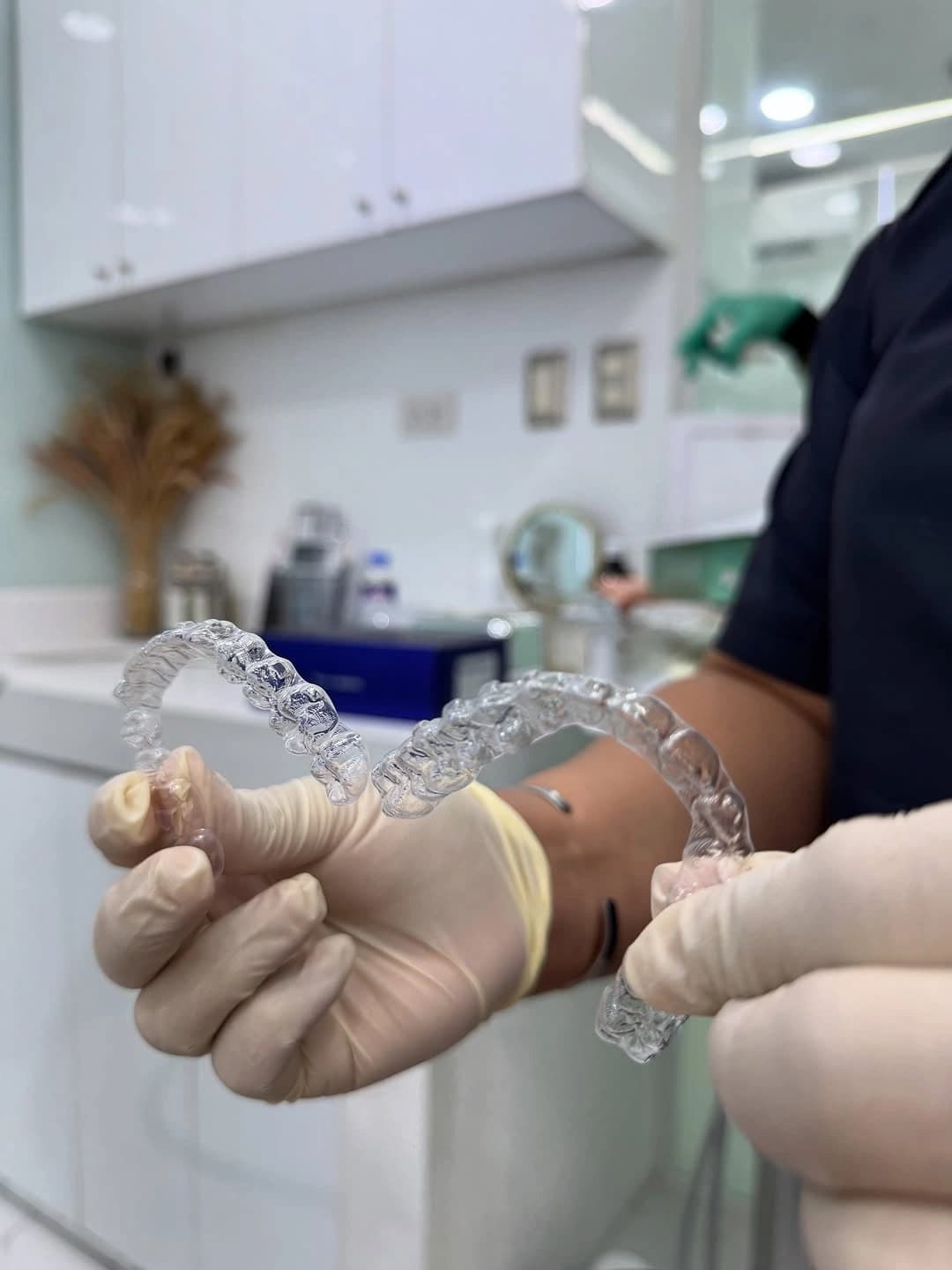
When a clinic submits a case for Clear Aligner Treatment Planning, the work that gets outsourced is the labor-intensive part of building the plan: staging the case according to the prescription, designing attachment placement, mapping IPR, running the treatment simulation, and preparing the final STL files. What does not get outsourced is the decision of whether that plan is right for the patient. That decision stays with your team, and the entire review process is built around making that decision easy.
Every treatment plan is delivered with a comprehensive PDF treatment plan and treatment simulation, giving your team a clear view of the proposed staging before anything moves forward. From there, your team can request as many changes as needed, at no additional cost, because unlimited modifications before approval are included at every pricing tier.
This is the part that surprises clinics who have had a bad experience with outsourcing before: review is not a single pass with one chance to flag issues. You can go back and forth as many times as needed until the plan reflects exactly what your team wants, before anything is approved or sent to manufacturing.
The shift in mindset: instead of thinking of treatment planning as something you hand off, it can help to think of it as something you delegate the drafting of, while retaining full sign-off authority.
One of the biggest practical differences in a well-built outsourcing workflow is how small changes are handled. Our built-in web editor lets your team make adjustments directly from the browser: attachment edits, IPR changes between specific teeth, and individual tooth movement tweaks including rotation, torque, and tip. These changes are free and do not require a request at all.
For a clinic, this means a staff member can review a case, notice a small staging detail they would like adjusted, fix it themselves in a few minutes, and move on, rather than adding the case to a queue of pending revision requests.
The time saved is not just the hours spent on staging itself, though that is significant. It is also the reduction in back-and-forth coordination, the removal of staging from your team's task list entirely, and the ability to review a finished plan rather than build one from a blank scan. For practices considering offering aligners for the first time, or for labs handling high case volumes, this can be the difference between treatment planning being a bottleneck and being a smooth part of the weekly workflow.
If your team is hesitant about outsourcing treatment planning, a practical approach is to start with a small number of cases on a Pay As You Go basis, with no monthly commitment, and evaluate the review process directly. Pay close attention to how the first plan compares to your expectations, how easy it is to request changes, and how the orthodontist review comes through in the final delivery.